Level Up Your Life: From Checkers to Chess Strategies
Introduction:
Why Life Demands Chess, Not Checkers
Have you ever thought about how the games we play can reflect our approach to life?
I came across Nathan Berry talking about playing chess vs checkers recently on an Ali Abdaal podcast. I had heard the concept before, but this brought it back up again and made me think about what it is all about.
It’s a simple yet powerful idea: Are you playing chess or checkers in your life?
This metaphor isn’t just about board games. It’s about how we tackle challenges, make decisions, and pursue our goals. It’s about how we approach challenges, make decisions, and pursue our goals. And trust me, it could change the way you think about everything.
Let’s dive into why this matters and how it could change your perspective.
Chess vs. Checkers: Understanding the Strategic Divide
At its core, this concept compares two classic games: chess and checkers.
Checkers is straightforward. You make predictable moves, capture pieces one by one, and aim for quick victories.
It’s like tackling life’s problems head-on, exerting maximum effort without much strategy.
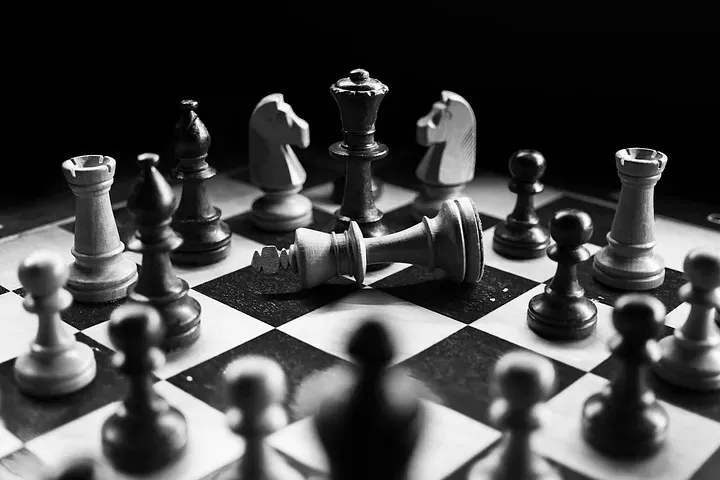
Chess, on the other hand, is a complex combination of strategy and foresight. Each piece has unique capabilities, and success often requires sacrificing short-term gains for long-term advantage.
When you play chess, you need a solid strategy from the start. Every move needs to be calculated with the bigger picture in mind. You might even need to sacrifice a piece or two for the chance at a long-term win. That short-term loss could position you for an eventual checkmate.
So, how does this apply to real life?
Think about the last big decision you made. Did you charge ahead, checkers-style? Or did you step back and consider all the pieces on your chessboard?
The Chess Approach to Life’s Challenges
Playing chess in life means adopting a more strategic, thoughtful approach to challenges. It’s about taking that 10,000-foot view, seeing the whole picture before making your move.
Remember the last time you set a fitness goal? Many people attack it head-on, full of enthusiasm. But that’s the checkers thinking. It often leads to burnout and disappointment.
The chess approach would involve:
- Planning your workouts
- Strategizing your nutrition
- Scheduling proper recovery time
It might mean slower progress at first, but it’s more sustainable in the long run.
This concept of short-term loss for long-term gain is a key chess strategy. In life, recognizing this can make a huge difference.
Are You Playing Checkers? Where?
Nathan Berry poses a powerful question:
“Where am I playing checkers where I could be playing chess?”
This got me thinking. Where in my life am I reacting on gut instinct when I should be strategizing?
It’s about looking at situations where you keep butting your head against the wall and asking:
- Am I approaching this the right way?
- What have I been doing that’s working?
- What isn’t working?
These are challenging questions, but it’s worth asking yourself regularly.
Big Wins: Why Great Achievements Need a Chess Approach
If your goals are beyond what those around you can imagine, you need to think and act differently. You need to play chess while others are stuck on checkers.
Sometimes, we need to fight our preconceptions and think outside the box. This concept goes beyond just strategic thinking. It’s about having the courage to divert from what's normal and accepted when necessary. Here’s why this matters:
- Unique goals require unique approaches: If your aspirations surpass the ordinary, your methods should too.
- Innovation comes from differentiation: True breakthroughs often happen when you challenge conventional wisdom.
- Standing out is a strategic advantage: In a world of checkers players, the chess player has a distinct edge.
This might mean making choices others don’t understand. It might mean taking risks that seem counterintuitive. But that’s often what it takes to achieve greatness.
“There is no passion to be found playing small — in settling for a life that is less than the one you are capable of living.” -Nelson Mandela
Consider the story of Airbnb. When they started, the idea of staying in a stranger’s home seemed absurd to most. But by playing a different game — focusing on unique experiences rather than standard hotel amenities — they revolutionized the travel industry.
On a personal level, this might mean:
- Pursuing an unconventional career path
- Adopting a lifestyle that prioritizes your passions
- Making decisions that others might not understand or support
To do something truly great, you often have to play a different game than your peers. This means challenging conventional wisdom and being willing to stand out.
Exceptional lives aren’t built on playing it safe or following the herd — they’re sculpted by strategic decisions, bold moves, and the wisdom to play a more complex game.
The Genius of Counterintuitive Moves
In checkers, the intuitive next move is often obvious. But in chess (and life), sometimes the best path forward is completely counterintuitive.
Let’s explore some real-life examples:
- Business Strategy: Imagine you’re launching a new product. The intuitive “checkers” approach might be to pack it with features, aiming to please everyone. The counterintuitive “chess” move? Start with one core feature and perfect it. This allows you to gain traction faster and iterate based on real user feedback.
- Personal Development: When building habits, our intuition often tells us to go all-in immediately. Want to exercise more? Your checkers brain says, “Hit the gym for two hours every day!” The chess approach? Start with just five minutes daily, making it so easy you can’t say no. This builds consistency, which is more valuable than intensity in the long run.
- Career Advancement: The obvious path might be to work longer hours, hoping to impress your boss. The chess move? Focus on increasing your productivity during regular hours and use the extra time to develop a unique skill that sets you apart.
- Relationship Building: In conflicts, our instinct is often to defend our position vigorously. The chess approach? Listen more than you speak. Understanding the other person’s perspective can lead to more constructive solutions.
In each case, the counterintuitive strategy might feel uncomfortable at first. But as with chess, sometimes the winning moves are the ones you’d never expect.
Consider some examples of being counterintuitive that led to extraordinary results:
- Steve Jobs insisting on sleek design in a tech world focused solely on function.
- Netflix moving to streaming when DVD rentals were still profitable.
- Tesla pursuing electric cars when the market was skeptical.
Each of these represents a “chess move” in an industry playing checkers. They reassessed common strategies (what had worked), took a step back, and looked at the bigger picture. This allowed them to dare to be different, and move with purpose.
Implementing Chess Thinking in Daily Life
So how can you start applying chess thinking to your life? Here are some practical steps:
- Practice the 10,000-foot view: Before making decisions, step back and consider the broader context and long-term implications.
- Embrace strategic sacrifices: Be willing to give up short-term comfort for long-term gains.
- Develop your “pieces”: In chess, each piece has unique strengths. In life, identify and cultivate your unique skills and attributes.
- Plan several moves ahead: Don’t just think about the immediate effects of your actions, but their potential consequences down the line.
- Learn from setbacks: In chess, even grandmasters lose pieces. Treat failures as learning opportunities rather than defeats.
Potential Pitfalls of Always “Playing Chess”
While strategic thinking is valuable, it’s important to recognize its limitations:
- Analysis paralysis: Overthinking can lead to inaction. Sometimes, you need to make a move even without perfect information.
- Missed spontaneity: Life isn’t always about strategy. Spontaneous decisions can lead to unexpected joys and opportunities.
- Emotional disconnect: Focusing too much on strategy might cause you to overlook emotional factors in decision-making.
- Burnout: Constant strategic thinking can be mentally exhausting. It’s okay to play “checkers” in less critical areas of life.
The key is to find a balance, applying chess thinking where it matters most.
“Everyone has those days when you doubt yourself, and when you feel like everything you do sucks, but then there’s those days when you feel like Superman. It’s just the balance of the world.” — Mac Miller
Conclusion
So, what’s your next move?
Will you continue playing checkers, making reactive decisions and hoping for the best? Or will you step back, survey your board, and start playing chess with your life and goals?
Here’s your challenge: Identify one area in your life where you’ve been playing checkers. It could be your career, relationships, personal growth, or any other important aspect. Now, think about how you could approach it with a chess mindset.
What would change?
What long-term strategy could you develop?
It’s time to reassess your strategies, take a step back, and look at the grand scheme of your life. Remember, it’s not about perfection. Even grandmasters make mistakes. It’s about adopting a more strategic, thoughtful approach to life’s challenges and opportunities.
Share your thoughts and experiences in the comments below. Let’s learn from each other. After all, the best games are the ones where everyone levels up.
Rewrite the rules and stay a Renegade.
“These young guys are playing checkers. I’m out there playing chess.” — Kobe Bryant